33Digital Horror / Glitch Horror
When familiar digital rules change, the record itself becomes suspect.
Definition and context
Digital horror uses files, game recordings, desktop programs, websites or interaction rules as vehicles for fictional fear. Glitch horror is one route: an error undermines trust in data or action rather than merely distorting the image. Official public Petscop recordings offer examples of spatial uncertainty in a fictional game; they are not evidence of a commercially released playable title.
People and ecology
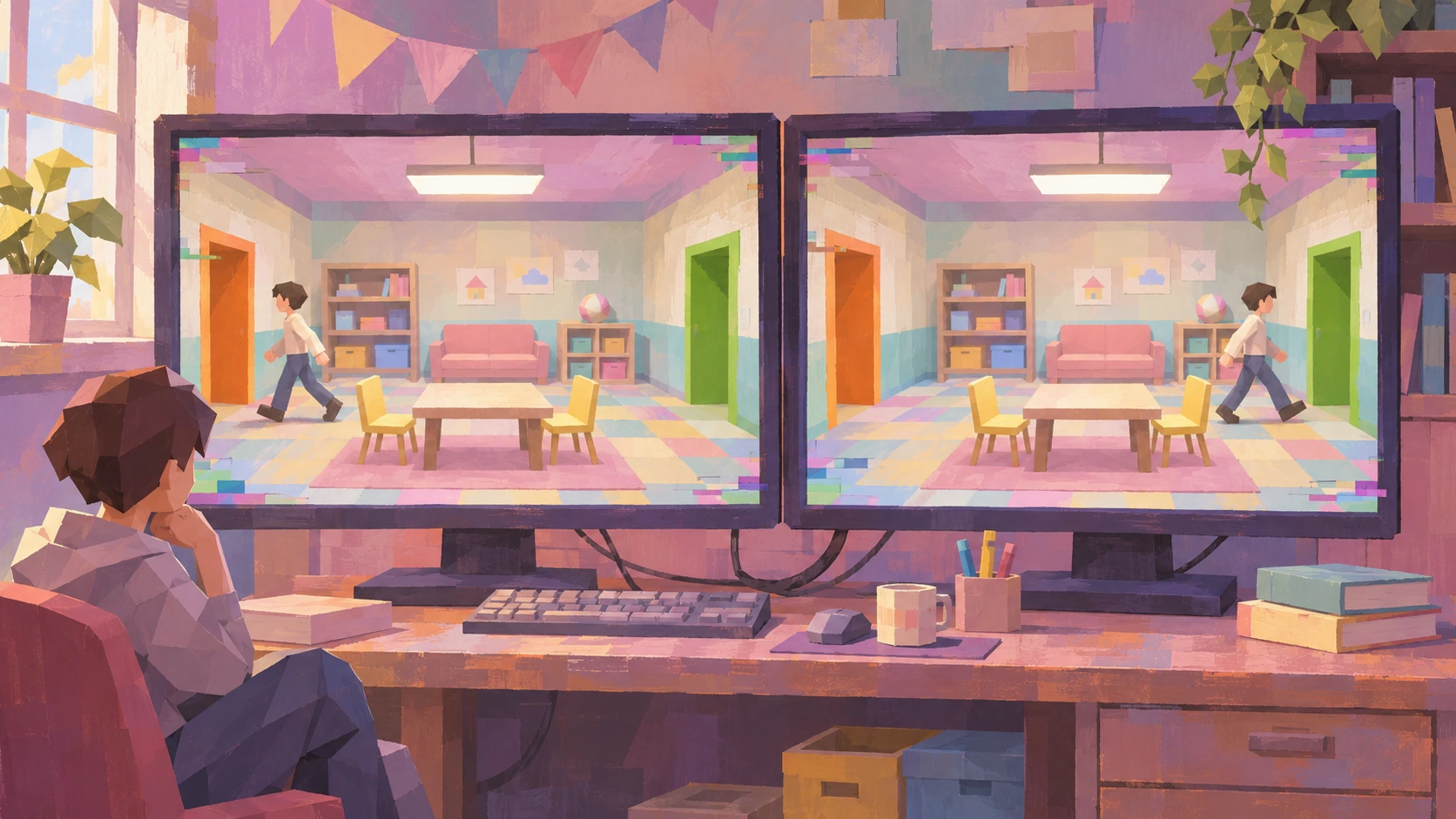
The player, recorder, screen character and later viewer have different permissions. An ordinary character walking toward an unchosen door in a replay can create a contradiction. An organism may become unsettling through recording, classification or behavior rather than teeth and claws.
Spaces and forms
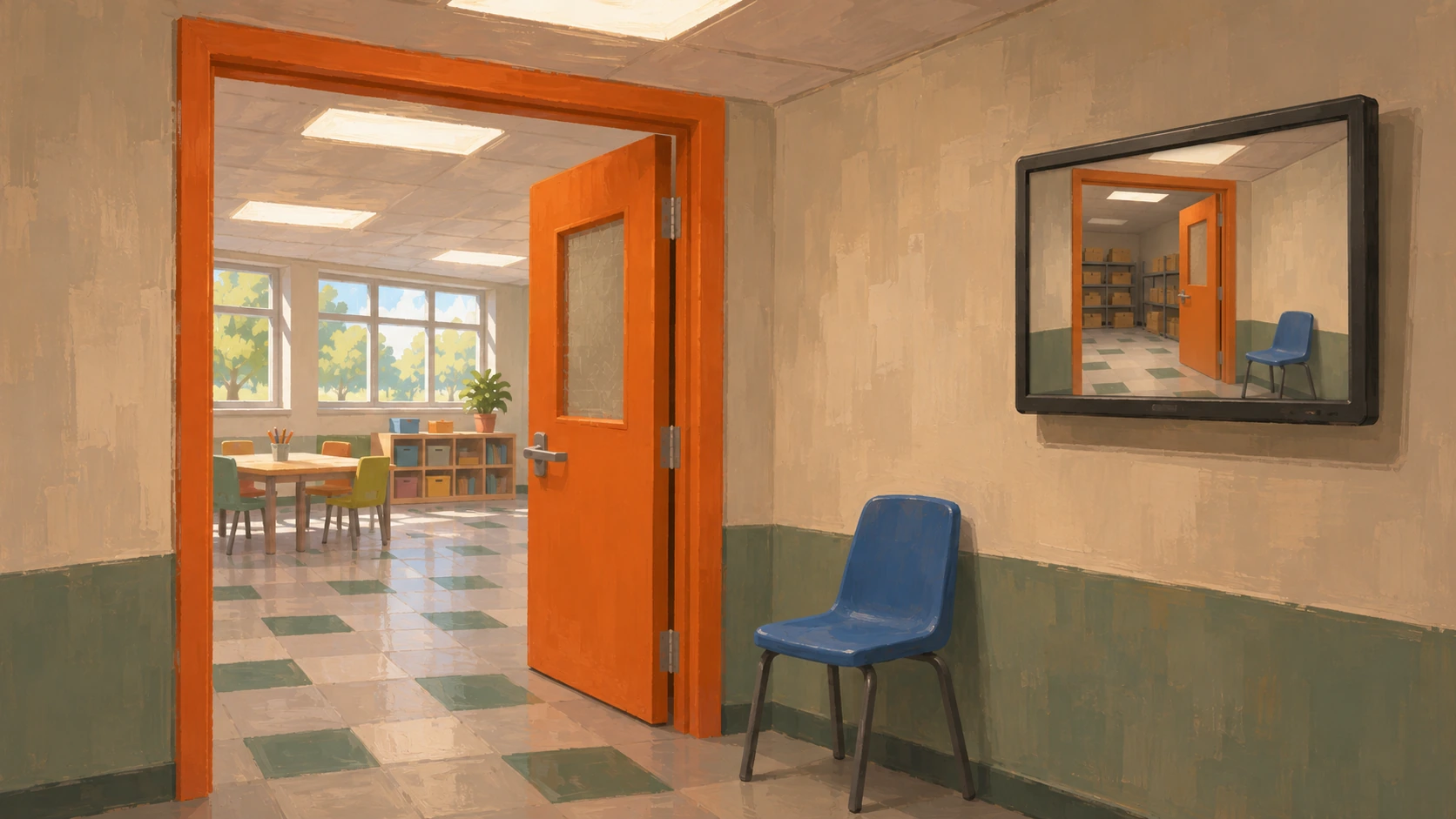
Establish recognizable rooms, routes and interaction boundaries before changing one condition on a return visit. The door stays in place while a saved view lacks a window. Movement remains normal while an exit leads somewhere unexpected. Clear space makes the change comparable.
Color and materials
Pixel blocks, compression bands, displaced textures and missing models have different appearances and causes. Choose one digital grammar for a particular anomaly and retain normal surroundings. Avoid combining tape tracking, random symbols and every digital error into an unreadable filter.
Light, composition and scale
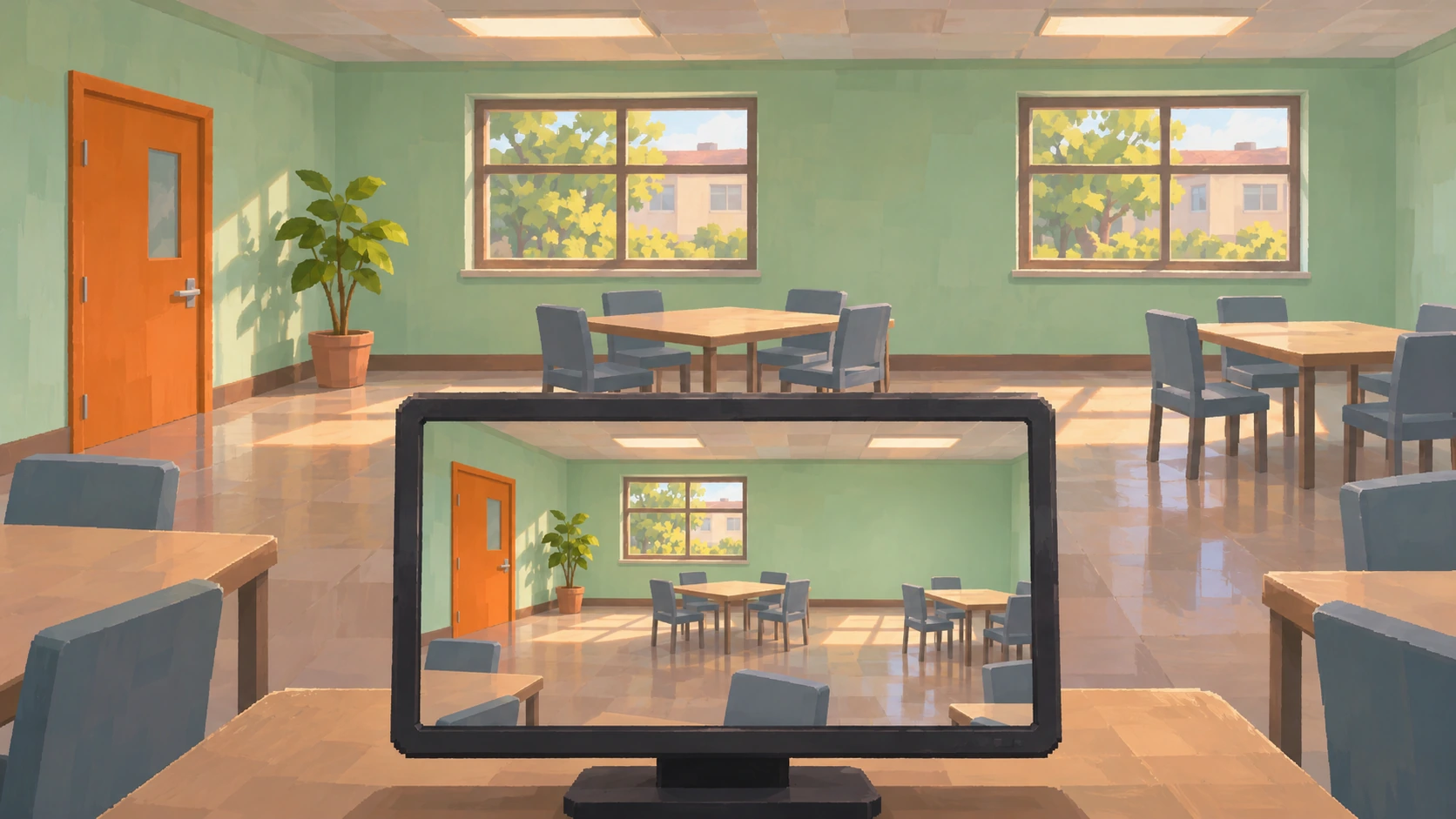
Keep a normal scene as the baseline. The error may affect only an object, a save thumbnail or a local region. A bright everyday corridor can support digital horror without fluorescent colors, black backgrounds or constant flashing.
Sound and graphics
Click responses, notification sounds, loading pauses and replay timing establish an interaction agreement. Remove an expected response or give the same input a changed result, with a traceable clue. Provide a static or reduced-effects viewing option when using flicker.
Motifs and distinctions
Unlike glitch art alone, this category gives the anomaly consequences for fictional information or action. Compared with analog horror, it emphasizes digital records, program states and interaction rules. Low-poly graphics are optional and do not explain the fear by themselves.
Ideas for game environments
Compare the current room with its last saved image. Let an object move only in the replay. Change an exit route after a traceable file alteration. Make the rule understandable before evidence shows that it has changed.

Read scene descriptions
Main environment
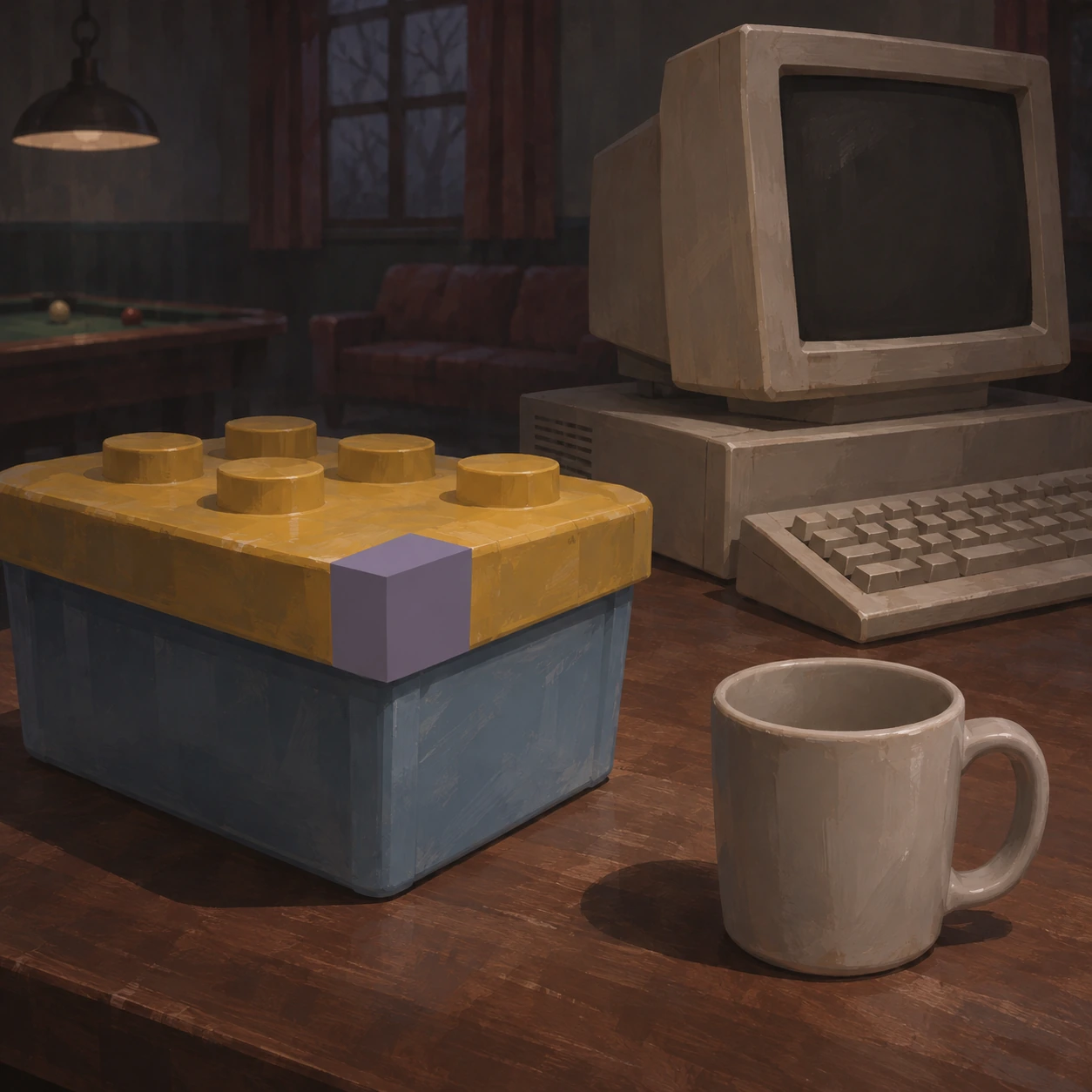
A bright community activity room in an original fictional game recording can be compared with its saved view. Matching doors and props provide a baseline for one localized change in recorded state.
A replay of an ordinary character diverges from the chosen action.
The anomaly lies in a recorded state rather than a monstrous silhouette.
Retain normal surroundings and show one localized data loss.
Comparable spatial relationships reveal a route changed by the same input.